
Walls Restored Without Visible Patches
Drywall Repair in Monument for holes, cracks, and water-damaged sections that interrupt smooth wall and ceiling surfaces
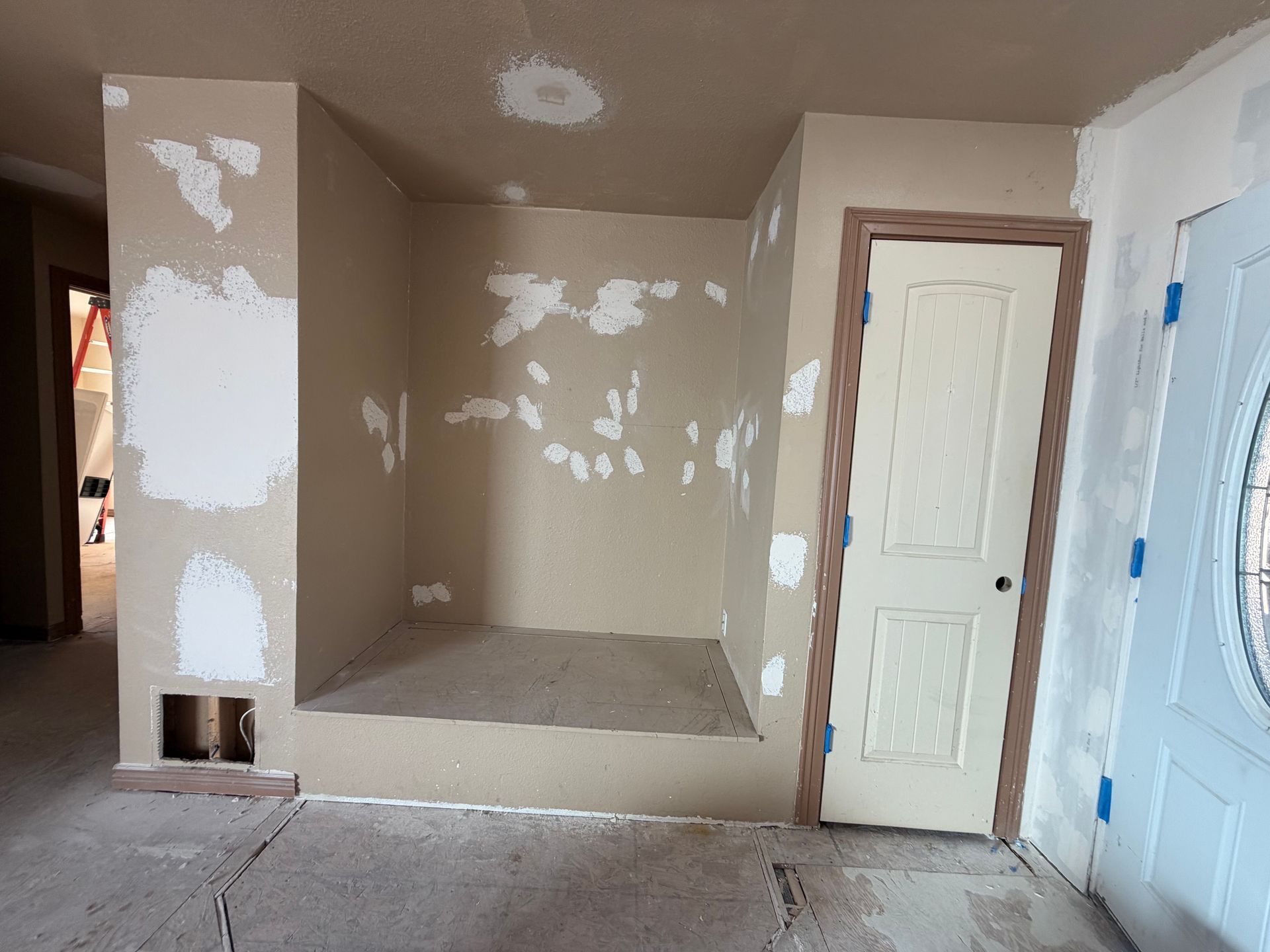
Drywall damage shows up as holes from removed fixtures or accidental impacts, cracks along seams or corners, and water stains or sagging sections caused by leaks. Hand & Hammer Home Services repairs these issues by patching holes seamlessly, reinforcing cracked areas, and replacing sections that have absorbed moisture and lost structural integrity. The repair blends into surrounding surfaces so that once painted, you won't be able to identify where the damage was located.
The repair process involves cutting out damaged material, securing backing or support as needed, applying joint compound in layers, and sanding to match the texture of adjacent walls or ceilings. Monument's dry climate helps joint compound cure quickly, but it also means older drywall can become brittle and crack more easily along taped seams, especially in homes where settling or temperature fluctuations cause minor shifting.
Arrange an assessment to identify all damaged areas and receive an estimate for patching and surface preparation before painting.
Our Services
Why Drywall Damage Happens and How to Stop It
Drywall repairs address holes from hardware removal, dents from furniture impacts, cracks caused by settling or temperature changes, and water damage from roof leaks or plumbing failures. The repair includes removing compromised material, installing backing where necessary, and applying joint compound in successive coats that are sanded smooth to eliminate any visible transition between the patch and the existing surface.
Once repaired and painted, walls and ceilings return to smooth, uniform surfaces without bumps, depressions, or color differences. You'll see no evidence of the patch unless you know exactly where to look, and the surface accepts paint evenly without showing texture inconsistencies. Properly completed repairs also restore the structural integrity of the wall, preventing further cracking or sagging in the same location.
The scope of repair varies—small holes and cracks are patched in place, while larger damaged sections may require cutting out and replacing entire drywall panels. Water-damaged areas require addressing the source of moisture before any repair begins, or the problem will recur and waste the effort spent patching.
Answers to Frequent Service Questions
Drywall repair raises questions about how seamlessly patches will blend, how long repairs take, and what's involved in the process. These answers clarify what to expect from start to finish.
How do you make patches invisible after painting?
The key is feathering joint compound beyond the repair area and sanding to create a gradual transition, then priming the patched area so it accepts finish paint the same way the surrounding wall does.
What causes drywall cracks along ceilings and corners?
Settling, temperature-induced expansion and contraction, and inadequate joint tape or mud during original construction all contribute to cracks, particularly along seams where panels meet.
How do you know if water damage requires panel replacement?
If the drywall has sagged, feels soft or spongy, or shows brown staining that extends beyond the surface layer, the gypsum core has absorbed water and lost strength, which means the section must be cut out and replaced rather than patched.
Can you match textured walls and ceilings during repair?
Yes, texture can be replicated using similar application techniques and tools, though exact matching depends on the specific texture pattern originally used throughout the home.
How long before I can paint over a repair?
Joint compound needs adequate drying time between coats, and the final surface must be fully cured and primed before painting, which typically takes a few days depending on ambient humidity and the extent of the repair.
Hand & Hammer Home Services patches and blends drywall repairs so that walls and ceilings are ready for painting without visible evidence of prior damage. Contact us to schedule a repair and receive guidance on surface preparation and finish options.